It looks like you're outside Russia. Would you like to view this page in English?
Похоже, вы находитесь за пределами России. Переключить страницу на английский язык?
Ратха ЯтраRatha Yatra
Ратха ЯтраRatha Yatra
Что такое Ратха ЯтраWhat is Ratha Yatra
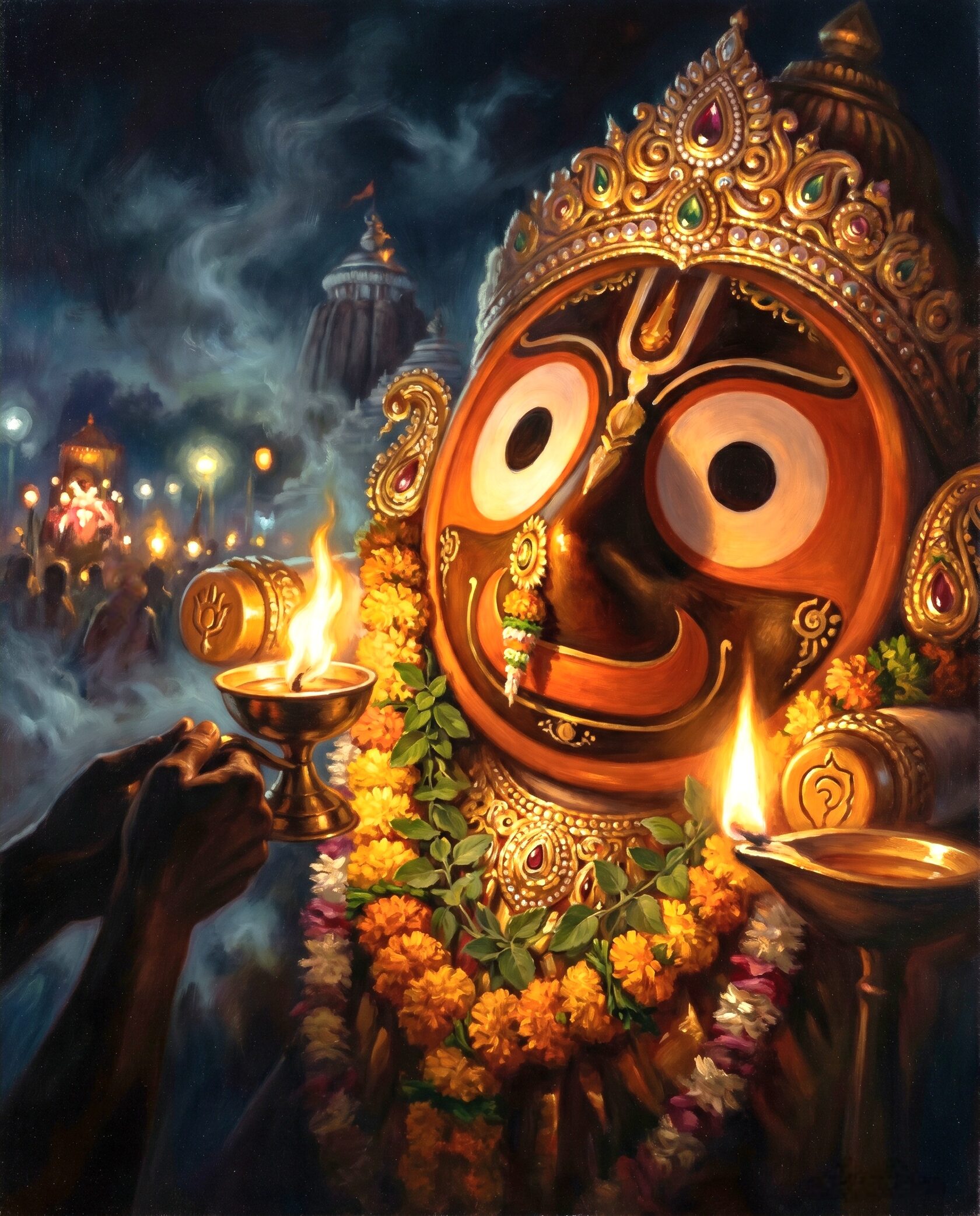
Ратха Ятра (санскр. Ратха-ятра, «праздник колесниц») — один из величайших и древнейших праздников индийской традиции, посвящённый Джаганнатху — форме Вишну/Кришны, чьё имя означает «Владыка Вселенной». Слово «ратха» означает «колесница», а «ятра» — «шествие» или «паломничество», так что само название праздника указывает на его центральное событие: торжественное шествие трёх гигантских деревянных колесниц по улицам города Пури в штате Одиша. Это единственный день в году, когда мурти Джаганнатха, его старшего брата Баладевы и сестры Субхадры выносят из главного храма Шри Мандир, и даршан становится открыт для каждого — независимо от касты, статуса или происхождения.Ratha Yatra (Sanskrit for "the chariot festival") is one of the greatest and most ancient festivals of the Indian tradition, dedicated to Jagannath — a form of Vishnu/Krishna whose name means "Lord of the Universe." The word "ratha" means "chariot" and "yatra" means "procession" or "pilgrimage," so the very name points to its central event: the majestic procession of three gigantic wooden chariots through the streets of Puri in the state of Odisha. It is the only day of the year when the murtis of Jagannath, his elder brother Baladeva and his sister Subhadra are carried out of the main temple, Shri Mandir, and darshan becomes open to everyone — regardless of caste, status or origin.
Праздник отмечается один раз в году, во второй лунный день (Двития) растущей луны месяца Ашадха (июнь–июль). В этот день, по традиции, мурти Джаганнатха отправляют навестить храм Гундича — место, связанное с преданиями о царе Индрадьюмне, построившем великий храм Пури, и о тётушке Джаганнатха (Маси Маа). Через несколько дней мурти возвращают обратно, и это обратное шествие называется Бахуда Ятра.The festival is celebrated once a year, on the second lunar day (Dvitiya) of the waxing moon in the month of Ashadha (June–July). On this day, by tradition, the murtis of Jagannath are sent to visit the Gundicha Temple — a place linked to legends of King Indradyumna, who built the great temple of Puri, and of Jagannath's aunt (Mausi Maa). After a few days the murtis are brought back, and this return procession is called Bahuda Yatra.
Значение праздника Ратха ЯтраThe meaning of Ratha Yatra
Милость, доступная каждомуGrace available to everyone
Центральная идея Ратха Ятры — безграничная доступность божественной милости. В обычные дни мурти Джаганнатха пребывают в святая святых храма, куда допускаются не все. В день праздника мурти выносят на улицу, и они предстают перед каждым — богатым и бедным, учёным и простым, местным жителем и путником. Ратха Ятра напоминает, что путь к Джаганнатху открыт для всех без исключения.The central idea of Ratha Yatra is the boundless accessibility of divine grace. On ordinary days the murtis of Jagannath dwell in the innermost sanctum of the temple, which not everyone may enter. On the festival day the murtis are brought out into the street and appear before everyone — rich and poor, learned and simple, local resident and traveller. Ratha Yatra is a reminder that the path to Jagannath is open to all without exception.
Очищение от грехов и препятствийPurification from sins and obstacles
Писания говорят, что даршан Джаганнатха на колеснице очищает от накопленных грехов многих жизней. Служение в этот день — участие в подготовке праздника, подношения, чтение священных текстов — рассматривается как мощная очищающая практика, устраняющая кармические препятствия и открывающая путь к внутреннему прогрессу.The scriptures say that the darshan of Jagannath on the chariot purifies one from the accumulated sins of many lives. Service on this day — participating in the festival's preparation, making offerings, reciting sacred texts — is regarded as a powerful purifying practice that removes karmic obstacles and opens the way to inner progress.
Воссоединение и возвращениеReunion and return
Ратха Ятра символизирует возвращение Кришны к дорогим ему местам. Мурти Джаганнатха покидают величественный храм-«дворец» и отправляются в скромный храм Гундича, который отождествляется с Вриндаваном — местом чистой и бескорыстной любви. Праздник напоминает, что ценятся не пышность и статус, а искренность сердца.Ratha Yatra symbolizes Krishna's return to the places dear to him. The murtis of Jagannath leave the magnificent "palace" temple and travel to the humble Gundicha Temple, identified with Vrindavan — the place of pure, selfless love. The festival reminds us that it is not pomp and status that are valued, but sincerity of heart.
Единство и совместное действиеUnity and joint action
Тянуть тяжёлую колесницу в одиночку невозможно — для этого нужны усилия множества людей, объединённых общей целью. Ратха Ятра — праздник единства, совместного действия и растворения эго. Каждый, кто берётся за канат, становится частью общего движения, где нет разделения на «своих» и «чужих».It is impossible to pull a heavy chariot alone — it takes the effort of many people united by a common goal. Ratha Yatra is a festival of unity, joint action and the dissolution of ego. Everyone who takes hold of the rope becomes part of a shared movement in which there is no division into "us" and "them."
Благословение всего рода и домаBlessing for the whole family and home
Традиционно считается, что почитание Джаганнатха в день Ратха Ятры приносит благополучие всей семье, защиту дома и гармонию в отношениях. Джаганнатх, Баладева и Субхадра почитаются как единая божественная семья — брат, старший брат и сестра, — поэтому их милость особенно благотворна для семейных уз.It is traditionally believed that honouring Jagannath on Ratha Yatra brings wellbeing to the whole family, protection of the home and harmony in relationships. Jagannath, Baladeva and Subhadra are venerated as a single divine family — brother, elder brother and sister — so their grace is especially beneficial for family bonds.
Джаганнатх, его семья и три колесницыJagannath, his family and the three chariots
Ратха Ятра объединяет три мурти, восседающих на трёх отдельных колесницах. Джаганнатх — «Владыка Вселенной», форма Вишну/Кришны, его старший брат Баладева (Балабхадра) и их сестра Субхадра составляют священное трио, которому посвящён весь праздник. Их деревянные образы с большими круглыми глазами узнаваемы во всём мире.Ratha Yatra brings together three murtis seated on three separate chariots. Jagannath — the "Lord of the Universe," a form of Vishnu/Krishna — his elder brother Baladeva (Balabhadra) and their sister Subhadra form the sacred trio to whom the entire festival is dedicated. Their wooden images with large round eyes are recognized throughout the world.
Джаганнатх, Баладева и СубхадраJagannath, Baladeva and Subhadra
Мурти Джаганнатха изображается тёмным (сине-чёрным), символизируя Кришну; Баладева — светлым (белым), а Субхадра — жёлтой. Вместе с ними на алтаре и на колеснице Джаганнатха присутствует Сударшана — божественный диск-оружие. По преданию, эти необычные, будто «незавершённые» образы связаны с историей царя Индрадьюмны и небесного мастера Вишвакармы, который взялся вырезать мурти при условии, что его не будут тревожить, — работа была прервана, и Джаганнатх пожелал явиться именно в такой форме.The murti of Jagannath is depicted dark (blue-black), symbolizing Krishna; Baladeva is light (white) and Subhadra is yellow. Together with them, on the altar and on Jagannath's chariot, is Sudarshana — the divine discus-weapon. According to legend, these unusual, seemingly "unfinished" images are connected with the story of King Indradyumna and the celestial craftsman Vishwakarma, who agreed to carve the murtis on the condition that he not be disturbed — the work was interrupted, and Jagannath wished to appear in precisely this form.
Три колесницы имеют собственные имена, цвета и число колёс: колесница Джаганнатха — Нандигхоша с 16 колёсами; колесница Баладевы — Таладхваджа с 14 колёсами; колесница Субхадры — Дарпадалана («сокрушающая гордыню») с 12 колёсами. Каждый год их строят заново из священной древесины, а старые разбирают.The three chariots have their own names, colours and number of wheels: Jagannath's chariot is Nandighosha with 16 wheels; Baladeva's is Taladhwaja with 14 wheels; Subhadra's is Darpadalana ("the crusher of pride") with 12 wheels. Each year they are built anew from sacred wood and the old ones are dismantled.
Традиция храма Джаганнатха, ПуриTradition of the Jagannath Temple, PuriПуть к храму ГундичаThe journey to the Gundicha Temple
В день Ратха Ятры мурти торжественно выносят из главного храма Шри Мандир особым покачивающимся шествием (Пахунди) и устанавливают на колесницы. Затем начинается движение по главной улице Бада Данда к храму Гундича, расположенному примерно в трёх километрах. Там мурти гостят несколько дней, после чего совершается обратное шествие — Бахуда Ятра. Всё это время улицы Пури наполнены океаном людей, музыкой и всеобщим ликованием.On the day of Ratha Yatra the murtis are ceremoniously carried out of the main temple, Shri Mandir, in a special swaying procession (Pahandi) and placed on the chariots. Then the movement begins along the main street, Bada Danda, toward the Gundicha Temple, located about three kilometres away. There the murtis stay as guests for several days, after which the return procession — Bahuda Yatra — takes place. Throughout this time the streets of Puri are filled with an ocean of people, music and universal rejoicing.
Символизм шествияThe symbolism of the procession
В традиции колесница трактуется как тело человека, а движение к храму Гундича — как путь души к высшему. Влечь колесницу Джаганнатха означает направлять свою жизнь к высшей цели, преодолевая инерцию и препятствия совместными усилиями. Так внешнее действо праздника становится живой метафорой внутреннего пути.In the tradition, the chariot is interpreted as the human body, and the movement toward the Gundicha Temple as the soul's path to the highest. To pull Jagannath's chariot means to direct one's life toward the supreme goal, overcoming inertia and obstacles through joint effort. Thus the outer spectacle of the festival becomes a living metaphor for the inner path.
Календарь Ратха ЯтрыRatha Yatra Calendar
Дата Ратха Ятры с точным временем титхи Двития рассчитывается автоматически для текущего года (или следующего праздника) и для вашего города. Выберите город — расчёт будет произведён астрономически для местного времени.The date of Ratha Yatra with the exact time of the Dvitiya tithi is calculated automatically for the current year (or the next festival) and for your city. Select a city — the calculation will be performed astronomically for local time.
Кому подходят церемонии в Ратха ЯтруWho the Ratha Yatra ceremonies suit
Церемонии, проведённые в день Ратха Ятры, обретают дополнительную силу — это единственный день в году, когда мурти Джаганнатха выносят к людям и его милость доступна каждому. Джаганнатх Пуджа, чтение священных текстов и подношения в этот день приносят результаты, которых в обычное время пришлось бы добиваться дольше.Ceremonies performed on the day of Ratha Yatra gain additional power — it is the only day of the year when the murtis of Jagannath are brought out to the people and his grace is available to everyone. Jagannath Puja, the recitation of sacred texts and offerings on this day bring results that would ordinarily take longer to achieve.
- Тем, кто стремится к очищению от грехов и кармических долгов — даршан Джаганнатха на колеснице традиционно считается очищающим от грехов многих жизней. Служение в этот день устраняет накопленные препятствия.For those seeking purification from sins and karmic debts — the darshan of Jagannath on the chariot is traditionally held to purify one from the sins of many lives. Service on this day removes accumulated obstacles.
- Тем, кто ищет благословения для всей семьи — Джаганнатх, Баладева и Субхадра почитаются как единая божественная семья. Их милость особенно благотворна для семейных уз, гармонии и защиты дома.For those seeking blessings for the whole family — Jagannath, Baladeva and Subhadra are venerated as a single divine family. Their grace is especially beneficial for family bonds, harmony and the protection of the home.
- Тем, кто чувствует, что путь к цели «застрял» — колесница символизирует движение вперёд. Церемонии в Ратха Ятру помогают сдвинуть с места застоявшиеся дела и придать импульс новым начинаниям.For those who feel their path to a goal has "stalled" — the chariot symbolizes forward movement. Ceremonies on Ratha Yatra help set stagnant matters in motion and give momentum to new undertakings.
- Тем, кто хочет укрепить связь с индийской духовной традицией — Ратха Ятра относится к вершинам годового круга праздников. Участие в ней углубляет эту связь и вдохновляет на регулярную практику.For those wishing to strengthen their bond with the Indian spiritual tradition — Ratha Yatra is among the peaks of the yearly cycle of festivals. Taking part in it deepens this bond and inspires regular practice.
- Тем, кто переживает разлуку или желает воссоединения — тема праздника — возвращение к дорогим местам и близким. Он благоприятен для намерений о восстановлении связей и близости с важными людьми.For those experiencing separation or wishing for reunion — the theme of the festival is return to dear places and loved ones. It is favourable for intentions of restoring connections and closeness with important people.
- Тем, кто стремится к смирению и внутреннему равновесию — совместное движение к храму Гундича воплощает единство. Церемонии этого дня помогают преодолеть гордыню и обрести покой.For those striving for humility and inner balance — the joint movement toward the Gundicha Temple embodies unity. The ceremonies of this day help to overcome pride and find peace.
- Тем, кто не может лично побывать в Индии — заказ храмовых церемоний и подношений позволяет приобщиться к празднику дистанционно, из любой точки мира, и получить его благословения.For those unable to visit India in person — ordering temple ceremonies and offerings allows you to take part in the festival remotely, from anywhere in the world, and receive its blessings.
- Тем, кто желает всеобщего благополучия и защиты — как «Владыка Вселенной», Джаганнатх дарует широкое покровительство: здоровье, процветание и мир тем, кто к нему обращается.For those wishing for universal wellbeing and protection — as "Lord of the Universe," Jagannath bestows broad patronage: health, prosperity and peace upon those who turn to him.
Программы церемоний в Ратха ЯтруCeremony programs for Ratha Yatra
Ратха-Ятра или Джагганатха Ятра — один из самых значимых и красочных праздников в индийской традиции. Он посвящен Джагганатху, одной из форм Вишну, и в этот день в Индии проходят яркие шествия колесниц, украшенных цветами и гирляндами, в которых участвуют тысячи людей.Ratha Yatra, or Jagannath Yatra, is one of the most significant and colourful festivals of the Indian tradition. It is dedicated to Jagannath, one of the forms of Vishnu, and on this day India sees vivid processions of chariots adorned with flowers and garlands, in which thousands of people take part.
Лакшми, как супруга Вишну и как богиня богатства и благополучия — в этот день дарует материальное процветание и успех во всех начинаниях.Lakshmi, as the consort of Vishnu and the goddess of wealth and wellbeing, bestows on this day material prosperity and success in all undertakings.
Вишну, как хранитель Вселенной, приносит мир и гармонию в жизни тех, кто обращается к нему во время Джагганатха Ятры. Его благословение помогает преодолеть трудности и найти внутренний покой.Vishnu, as the preserver of the Universe, brings peace and harmony into the lives of those who turn to him during Jagannath Yatra. His blessing helps to overcome difficulties and find inner peace.
- Включение имени в церемониюName included in the ceremonyВаше имя вносится в список участников Джаганнатх Пуджи в день Ратха ЯтрыYour name is added to the list of participants of the Jagannath Puja on Ratha Yatra day
- Персональная санкальпаPersonal sankalpaИмена всех членов семьи и ваше намерение произносятся пурохитом в день Ратха ЯтрыThe names of all family members and your intention are recited by the purohit on Ratha Yatra day
- Джаганнатх ПуджаJagannath PujaПочитание мурти Джаганнатха, Баладевы и Субхадры с подношением цветов, фруктов и лампадWorship of the murtis of Jagannath, Baladeva and Subhadra with offerings of flowers, fruits and lamps
- Ратха ПуджаRatha PujaПочитание священной колесницы — центральный ритуал праздника шествияWorship of the sacred chariot — the central ritual of the procession festival
- Подношение прасада (бхога)Prasad offering (bhoga)Подношение пищи с последующим распределением освящённого прасадаAn offering of food followed by the distribution of consecrated prasad
- Джаганнатх АштакамJagannath AshtakamРецитация знаменитого гимна Джаганнатху, приписываемого Ади ШанкареRecitation of the famous hymn to Jagannath, attributed to Adi Shankara
- Всё из Стандартного пакетаEverything from the Standard packageСанкальпа + Джаганнатх Пуджа + Ратха Пуджа + Бхога + АштакамSankalpa + Jagannath Puja + Ratha Puja + Bhoga + Ashtakam
- Вишну СахасранамаVishnu SahasranamaРецитация 1000 имён Вишну — Джаганнатх есть форма Вишну/Кришны. Приносит защиту и благополучиеRecitation of the 1000 names of Vishnu — Jagannath is a form of Vishnu/Krishna. Brings protection and wellbeing
- Лакшми ПуджаLakshmi PujaПочитание Лакшми, супруги Вишну и богини богатства. Привлекает материальное процветание и успех в делахWorship of Lakshmi, consort of Vishnu and goddess of wealth. Attracts material prosperity and success in affairs
- Гопала Мантра Джапа (1008 раз)Gopala Mantra Japa (1008 times)1008 повторений мантры Кришны-Гопалы. Притягивает милость, удачу и гармонию1008 repetitions of the Krishna-Gopala mantra. Attracts grace, fortune and harmony
- Джаганнатх СтотраJagannath StotraМолитвенные гимны Владыке Вселенной. Приносят умиротворение и освобождение от страховPrayer hymns to the Lord of the Universe. Bring serenity and freedom from fears
- Всё из Расширенного пакетаEverything from the Extended packageВсе Пуджи + Сахасранама + Лакшми Пуджа + Джапа + СтотраAll Pujas + Sahasranama + Lakshmi Puja + Japa + Stotra
- Джаганнатх ХомаJagannath HomaОгненный ритуал с подношениями Джаганнатху в священный огонь. Агни доносит молитвы к Владыке ВселеннойA fire ritual with offerings to Jagannath in the sacred fire. Agni carries the prayers to the Lord of the Universe
- Сударшана ХомаSudarshana HomaОгненный ритуал божественному диску Сударшане — защитному оружию. Разрушает препятствия и негативные влиянияA fire ritual to the divine discus Sudarshana — the protective weapon. Destroys obstacles and negative influences
- Балабхадра и Субхадра ПуджаBalabhadra and Subhadra PujaОтдельное почитание Баладевы и Субхадры. Усиливает защиту, силу и семейную гармониюSeparate worship of Baladeva and Subhadra. Strengthens protection, power and family harmony
- Тулси АрчанаTulsi ArchanaПодношение священных листьев Туласи, особенно связанных с Вишну. Приносит благополучиеOffering of sacred Tulasi leaves, especially connected with Vishnu. Brings wellbeing
- Церемония в храме ДжаганнатхаCeremony in a Jagannath templeПуджа от вашего имени в одном из великих храмов ДжаганнатхаA puja on your behalf in one of the great temples of Jagannath
- Кормление нуждающихсяFeeding those in needАннадана (раздача прасада) от вашего имени в день Ратха ЯтрыAnnadana (distribution of prasad) on your behalf on Ratha Yatra day
- Всё из Премиального пакетаEverything from the Premium packageВсе Хомы + Пуджи + храм + благотворительностьAll Homas + Pujas + temple + charity
- Махабхога СевáMahabhoga SevaВеликое подношение из 56 блюд (Чхаппан Бхога) в традиции храма Пури — высшая форма служения пищейThe great offering of 56 dishes (Chhappan Bhoga) in the tradition of the Puri temple — the highest form of service through food
- Полный цикл трёх ХомThe full cycle of three HomasОтдельные огненные ритуалы Джаганнатху, Баладеве и Субхадре — обращение ко всему священному триоSeparate fire rituals to Jagannath, Baladeva and Subhadra — an appeal to the entire sacred trio
- Бхагавад-Гита ПатхаBhagavad Gita PathaПолная рецитация Бхагавад-Гиты — слова Кришны. Приносит ясность, мудрость и внутреннюю устойчивостьA full recitation of the Bhagavad Gita — the words of Krishna. Brings clarity, wisdom and inner stability
- Ратха Ятра абхишекаRatha Yatra abhishekaСвященное омовение мурти с подношениями в день праздника. Привлекает обильные благословенияThe sacred bathing of the murtis with offerings on the festival day. Attracts abundant blessings
- Пожертвования браминамDonations to brahminsДакшина знатокам Вед и священных текстов от вашего имениDakshina to knowers of the Vedas and sacred texts on your behalf
- Всё из Золотого пакетаEverything from the Gold packageВсе Хомы + Пуджи + Махабхога + Гита Патха + храмыAll Homas + Pujas + Mahabhoga + Gita Patha + temples
- Церемонии на весь цикл праздникаCeremonies for the whole festival cycleСнана Ятра + Ратха Ятра + Бахуда Ятра — непрерывное служение на протяжении всего великого циклаSnana Yatra + Ratha Yatra + Bahuda Yatra — continuous service throughout the whole great cycle
- Снана Ятра абхишекаSnana Yatra abhishekaУчастие в великом купании мурти 108 сосудами ароматной воды в день явления ДжаганнатхаParticipation in the great bathing of the murtis with 108 vessels of scented water on the day of Jagannath's appearance
- Лакша Туласи АрчанаLaksha Tulasi ArchanaПодношение 100 000 листьев священной Туласи — высшая форма служения ВишнуOffering of 100,000 leaves of sacred Tulasi — the highest form of service to Vishnu
- Лакша Нама Джапа (108 000 раз)Laksha Nama Japa (108,000 times)108 000 повторений святого имени Джаганнатха, распределённых по всему циклу праздника108,000 repetitions of the holy name of Jagannath, distributed across the whole festival cycle
- Аннадана — большая раздача прасадаAnnadana — large prasad distributionКормление сотен нуждающихся освящённым прасадом Джаганнатха от вашего имениFeeding hundreds of those in need with Jagannath's consecrated prasad on your behalf
- Годовое храмовое покровительствоYear-long temple patronageВаше имя включается в регулярные подношения Джаганнатху на протяжении всего годаYour name is included in regular offerings to Jagannath throughout the whole year